

 Wildlife Tours
When travellers think of Northern Tanzania, the Serengeti, Ngorongoro Crater, and Kilimanjaro often steal the spotlight. Yet just beyond these iconic names lies a hidden gem waiting to be discovered: Lake Eyasi. Nestled at the base of the Rift Valley escarpment, this seasonal soda lake offers a completely different experience, combining natural beauty with some of the most fascinating cultural encounters in East Africa.
A Landscape of Contrasts
Lake Eyasi is unlike the lush plains of the Serengeti or the fertile crater of Ngorongoro. Its environment is harsher and more rugged, shaped by volcanic activity and shifting seasons. During the rainy months, the lake swells with water, attracting flocks of flamingos, pelicans, and countless migratory birds. In the dry season, it recedes dramatically, revealing wide salt flats and starkly beautiful scenery.
For photographers and nature lovers, this shifting landscape provides endless inspiration. The colours of sunrise and sunset reflected on the lake are particularly magical, painting the horizon in shades of gold, pink, and violet.
Home to Unique Cultures
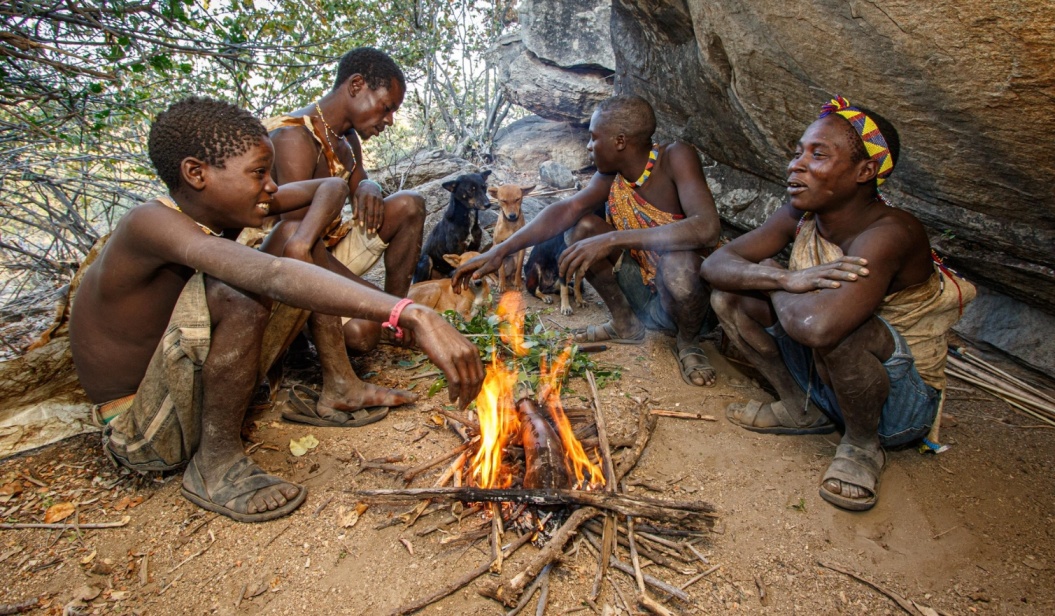
What truly sets Lake Eyasi apart are the communities that live along its shores. The Hadzabe, one of the last remaining hunter gatherer tribes in Africa, still follow a lifestyle that has changed little for thousands of years. Visitors have the rare opportunity to join them on a morning hunt, learning how they track animals with bows and arrows, gather wild fruits, and live in harmony with nature.
Nearby, the Datoga people, skilled blacksmiths and pastoralists, invite travellers into their homes and workshops. Watching them melt scrap metal to forge knives and jewellery is a window into traditions that blend practicality with artistry.
These encounters are not staged performances but genuine interactions with people who are proud to share their way of life while also benefiting from tourism that helps sustain their communities.
Birdwatcher’s Paradise
For bird enthusiasts, Lake Eyasi is a treasure trove. The wetlands and seasonal waters attract species rarely seen in other parts of Tanzania. Flamingos are the most famous, but herons, spoonbills, storks, and weavers are equally abundant. With fewer crowds than other safari hotspots, birdwatching here feels intimate and unhurried.
A Different Kind of Adventure
Lake Eyasi is not about game drives or luxury lodges. It is about slowing down, stepping off the beaten path, and connecting deeply with both land and people. Walking safaris around the lake, cultural visits to nearby villages, and evenings spent under a canopy of stars make the experience personal and memorable.
Simple accommodations and rustic camps add to the charm, offering comfort without taking away from the authenticity of the place. Many travellers combine Lake Eyasi with trips to Ngorongoro or Serengeti, creating an itinerary that balances wildlife with cultural immersion.
Why It Matters
In an era when mass tourism threatens to overwhelm fragile ecosystems and cultures, Lake Eyasi offers a model of sustainable exploration. Tourism here provides vital income that helps the Hadzabe and Datoga preserve their traditions while also supporting education and healthcare. At the same time, visitors leave with a deeper understanding of the diversity and resilience of Tanzania’s people.
Final Thoughts
Lake Eyasi may not have the fame of Serengeti or Kilimanjaro, but that is precisely what makes it special. It is a place where travellers can escape the crowds, experience rare cultures, and witness the raw beauty of a changing landscape. For those seeking a deeper, more meaningful connection to Tanzania, the untold story of Lake Eyasi is one worth discovering.